Investor Loans
What is a DSCR loan, in plain English?
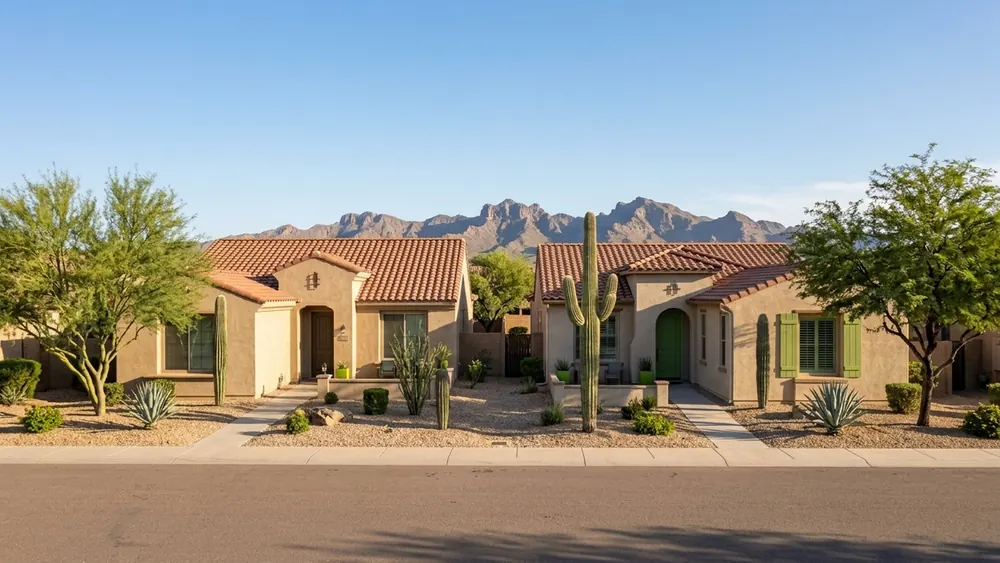
A DSCR loan is a mortgage for an investment property that looks mainly at whether the rental’s expected rent can cover its monthly cost, instead of relying only on your personal income. Terms and eligibility vary by lender and program.
On this page
A DSCR loan explained without the jargon
A DSCR loan is a mortgage for a rental or investment property that looks mainly at the property’s ability to pay for itself. DSCR stands for debt service coverage ratio. In plain English, the lender compares the rent the property is expected to bring in with what it costs to own each month. If the rent covers that cost well enough under the program’s rules, the property may qualify, even if your personal income looks thin on paper.
That is the key difference from a standard mortgage. A typical loan starts with your pay stubs, tax returns and debts. A DSCR loan starts with the rental. Your credit and your available cash still matter, and the lender still reviews your file. But the property’s numbers carry more of the weight, which is why investors buying a rental in the Phoenix area often ask about this kind of loan first.
Understanding this matters before you shop for property. If you know a loan can be built around the rental, you can look at your options differently and ask sharper questions. If you assume only your income counts, you may rule out a purchase that could have worked. Either way, the answer depends on you, the property and the specific program, and approval is never guaranteed.
What debt service coverage actually measures
Debt service is just a formal name for the cost of carrying a loan. On a rental, that usually means the monthly loan payment plus property taxes, insurance and any homeowners association dues. Coverage asks a simple question: does the rent cover that cost, and by how much? The ratio puts the answer into a single figure the lender can measure against the program’s requirements.
Each lender and program sets its own required ratio, and those requirements can change. That is why you will not find a single number that applies everywhere, and why it is worth asking a lender to run the figures on the actual property you are considering. A general rule of thumb from the internet is not a substitute for a real review of your situation. Ask for the figures to be shown to you, not just summarized.
It helps to think of the ratio as a conversation starter, not a verdict. If the property’s numbers come in close to the line, there may be ways to adjust, such as a different loan amount or a different property. If they come in comfortably, the loan may move forward on the property’s strength. Either way, the figure tells you where to focus next.
How it differs from a standard mortgage
A conventional loan on an investment property usually relies on documented personal income. The lender looks at your debt-to-income ratio, often called DTI, which compares your monthly debt payments with your monthly income. If your income documents well and your DTI fits the program, a standard investment loan may be a strong option worth comparing side by side with a DSCR loan. Seeing both on the same property makes the choice concrete.
A DSCR loan shifts the emphasis. Instead of asking whether your income can support another mortgage, it asks whether the rental can support itself. That can help self-employed investors, people whose tax returns show less than they really earn, and investors who already carry several mortgages. It is a different tool, not a more lenient one, and its rules are its own.
DSCR loans are also generally for investment properties only. If you plan to live in the home, a DSCR loan is usually not the right fit, and standard purchase programs come into play instead. How you plan to use a property, which lenders call occupancy, shapes which loans are available. Be clear about your plan from the first conversation so you compare the right options.
What a lender usually reviews on a DSCR file
Even though the property carries more of the weight, a DSCR loan still involves a real review. The specifics vary by lender and program, but the same broad areas tend to come up on most files. Knowing them ahead of time helps you prepare and avoid surprises once you have a property under contract. Your real estate professional, title and escrow will each have their own part to play as well.
- The expected rent, often estimated by the appraiser or supported by a current lease
- The full monthly cost, including the payment, taxes, insurance and association dues
- Your credit history and the cash you have available for closing and reserves
- The property type, its condition and how you plan to hold it
Notice what is missing from most of that list: a detailed review of your personal income. That is the core idea of the loan. It does not mean nothing about you is reviewed, and it does not mean there is no documentation. It means the documentation centers on the property and on your ability to manage it responsibly. Expect to share bank statements, identification and details about the property itself.
Questions worth asking about any DSCR option
When you look at a DSCR option for a rental in the Phoenix metro, a few questions will tell you more than any product description. Use the table below as a guide for your conversations, and write down the answers so you can compare offers fairly. The right person to ask matters as much as the question itself.
| Question | Why it matters | Who answers it |
|---|---|---|
| How will the rent be documented? | The rent figure decides whether the property qualifies | Your loan officer and the appraiser |
| What does the full monthly cost include? | Missing costs make the coverage look stronger than it is | Your loan officer and your Loan Estimate |
| What are the fees and terms? | DSCR pricing can differ from a standard mortgage | Your Loan Estimate, in writing |
| Are rentals allowed at this property? | Association rules can limit how a property is rented | The homeowners association |
| What are the taxes and insurance? | Both feed directly into the monthly cost | The county and an insurance agent |
The Loan Estimate is especially useful here. It lists loan terms and costs in a standard format, so you can line up a DSCR offer next to a conventional investment offer and see real differences instead of guessing. If something on it is unclear, ask before you move forward. Clear answers in writing are a good sign that everyone is working from the same information.
Honest trade-offs and the limits of this loan
DSCR loans solve a real problem, but they are not free of trade-offs. Rates, fees, down payment and reserve expectations can differ from a standard mortgage, and they vary by lender and program. Some DSCR loans also include prepayment terms, which affect what happens if you sell or refinance early. Read those carefully, and compare the full cost over the time you expect to hold the property.
There is also a limit to what a loan officer should tell you. Joe can explain how a DSCR loan reads a property and what the lender needs. Whether the rental makes sense as an investment, what it may earn, and how it affects your taxes are questions for a tax professional or financial professional. Keeping those conversations separate leads to a clearer decision.
Getting ready to explore a DSCR loan
You do not need a property under contract to start the conversation. A little preparation goes a long way, and it lets a loan officer tell you quickly whether a DSCR loan is worth exploring or whether another path fits better. Before you reach out, it helps to jot down a few basics. Rough figures are perfectly fine at this stage, and nothing here commits you to anything.
- The price range and property type you are considering in the Phoenix area
- A realistic rent estimate, or the current lease if the property has a tenant
- A sense of the cash you have available for the purchase and reserves
- How you plan to hold the property, personally or through a business
If you are weighing a rental in Phoenix or Scottsdale and want to understand whether a DSCR loan fits, bring your plan to Joe Albany at jalbany@greenhomeloans.com. You will get a plain-English walk through the options, including the trade-offs, before you commit to a property. What rental are you considering, and how does your income really work today?
This article is general information about financing a home or rental in the Phoenix metro area. It is not a loan offer or a commitment to lend, and it is not legal, tax or investment advice. Programs, terms and qualifying rules change and depend on the borrower, the property and the program, so confirm current details in your official loan disclosures, local rules with the association, city or county, and tax questions with a tax professional. Joe Albany, Green Home Loans. Equal Housing Opportunity.

Written by